“I have been told I do not have enough bone for implants.” This can sound like the end of the road. However, having little bone does not automatically mean that treatment is impossible. It means assessing where bone is missing, how much is missing and which teeth need replacing.
Sometimes an implant can be placed without rebuilding the area; in other cases, it is better to prepare the bone first. What matters is a plan for useful, stable teeth that you can clean. This guide explains the differences so you can understand the proposal discussed at your appointment.
What does having little bone actually mean?
An implant needs surrounding bone to support it. There may be insufficient height, width or both. Two people who have lost the same molar may therefore need different treatments: one has a narrow ridge, while the other has limited space below the maxillary sinus or above a nerve.
The shape of the bone changes after a tooth is lost. Periodontitis, infections and some extractions can also leave defects. Gums may look normal from the outside without revealing the volume available underneath. A photograph of your smile is not enough to decide.
How do I know whether I need a bone graft?
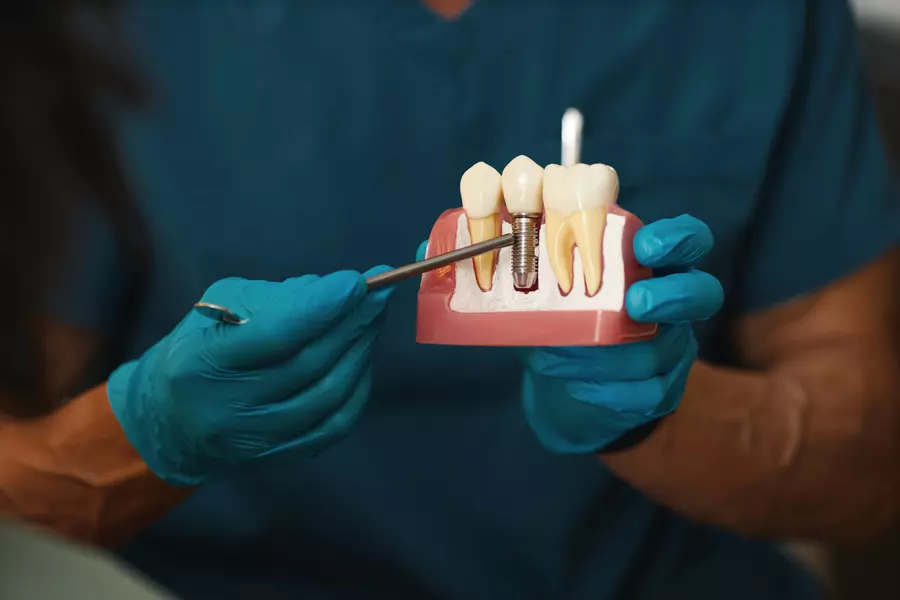
The assessment begins with the whole mouth: gums, neighbouring teeth, bite, health history and medication. When indicated, CBCT—a three-dimensional radiographic scan—helps measure bone and locate structures that need protection. An intraoral scan, by contrast, mainly records the surfaces of teeth and gums: these are different tests.
Planning must also start with the tooth you want to replace. Finding a space that will accommodate an implant is not enough: its position must allow a crown or prosthesis that functions and can be kept clean. You can ask to see on the images what limits your case and what each alternative would change.
What options are available when bone is missing?
1. Using the available bone when it is sufficient
In selected cases, a short implant or a different implant distribution can avoid grafting. This is neither a universal solution nor a “bone-free” technique: adequate support is still needed. The ITI consensus on short implants discusses this possibility, with results that depend on case selection and follow-up.
The useful question is not whether an implant is longer or shorter, but why that option is reasonable for your bone, your bite and the teeth it will support.
2. Increasing volume with a graft
A graft helps create or maintain the space where bone is intended to form. It may use the patient’s own bone, processed human- or animal-derived materials, synthetic materials or combinations. Depending on the technique, a membrane protects the area while it heals. The material does not become a base ready for chewing on the same day.
Small defects may be treated at the same time as implant placement. When reconstruction is more extensive or adequate stability cannot be obtained, a staged approach is often considered. Cambridge University Hospitals’ information on bone grafting explains why anatomy and the volume needed affect the procedure.
3. A sinus lift when there is insufficient height in the back of the upper jaw
The maxillary sinus is an air-filled cavity above the upper back teeth. If there is limited bone height below it, a sinus lift may be considered: its membrane is carefully lifted to create space for graft material when the technique requires it. This does not mean filling the entire cavity.
Different approaches are available depending on the remaining bone. The implant may be placed during the same procedure or after healing. Specific risks include membrane perforation and infection, which sometimes require the plan to be changed or postponed. You can read more in Cambridge University Hospitals’ guide to sinus lifts.
What would treatment involve, step by step?
Step 1. Understand the problem and agree on the goal
Explain your concerns: difficulty chewing, a loose denture, fear of surgery or being without teeth during treatment. Bring your medication list and any previous investigations. The first decision is what you want to achieve and which options can make it possible.
Step 2. Prepare the mouth
Problems that could compromise surgery are treated beforehand. Hygiene, gum health, smoking and conditions that affect healing are reviewed. Do not stop medication yourself: any adjustment must be agreed with the professionals responsible for your care.
Step 3. Rebuild bone and place implants, together or in stages
The plan should make clear what will happen during each procedure. Minor surgery may be performed under local anaesthesia; extensive reconstruction requires different arrangements. Also ask what temporary solution you can use and whether there will be times when it must not rest on the operated area.
Step 4. Check healing before moving on
Closed gums do not mean that the bone is ready. Reviews help determine when to proceed to the next stage. Guy’s and St Thomas’ describes typical periods of several months for graft maturation; the precise timing depends on the technique and healing. This is guidance, not a guaranteed date.
Step 5. Fit the teeth and maintain them
The prosthesis is designed for your bite and to allow cleaning. To learn about this part of treatment, read how a dental implant is placed, step by step. Treatment continues afterwards with hygiene and reviews.
Does it hurt? What is recovery like?
Anaesthesia is used to control pain during the procedure. Afterwards, swelling, discomfort and bruising may occur. Their intensity depends on the surgery and the individual. You will receive instructions about diet, cleaning, activity and medication; not every patient needs the same regimen.
Allow some flexibility during the first few days and ask beforehand when you can work or exercise. Contact the team if you develop worsening pain, fever, pus, bleeding that does not stop or an opening in the wound. After a sinus lift there are additional precautions, such as avoiding blowing your nose for the specified period. If you have difficulty breathing or swallowing, seek urgent care.
Frequently asked questions
Can a graft fail?
Yes. It can become infected or exposed, or fail to produce the expected volume. This does not always mean that every treatment option is lost: the first step is to identify what happened, then decide whether to wait, repeat part of the treatment or choose an alternative. This possibility should be discussed before surgery.
Does bone always have to be taken from another part of my body?
No. It depends on the defect and technique. Ask where the material comes from and why it is being proposed. You can also discuss personal or religious preferences concerning animal- or human-derived materials.
Can I wear teeth while the area heals?
Many plans include a temporary solution, but its design and use must protect the wound. An immediate fixed prosthesis cannot be promised in every case. It is best to agree on this part before starting, especially when visible teeth are involved.
What if I do not want a graft?
You can ask for the alternatives to be explained: a different implant distribution when feasible, a bridge, a removable prosthesis or, in certain situations, leaving the space unrestored. Some cases of severe bone loss also need assessment by a team with specific resources. The choice involves comparing benefits, limitations and maintenance.
Taking the first step at CHC
At CHC Clínica Dental in Barcelona, we can assess your situation and explain dental implant treatment through an understandable plan. You do not need to arrive knowing which surgery to request: bring your questions and previous investigations. Assessing the case helps distinguish what is needed from what can be avoided.
Contact the clinic on WhatsApp to request an assessment. Our team confirms the appointment.
Clinical sources and further reading
In addition to the references linked in the text: Leeds Teaching Hospitals: implant assessment and treatment; Guy’s and St Thomas’: bone grafting; minor bone graft aftercare. Information consulted on 13 September 2026. This guide provides orientation; treatment is decided after an examination.


