
- Home
- Treatments
- Dental veneers
Dental veneers in Barcelona
Explore options for changing the colour, shape or proportions of your teeth at CHC in Sants-Montjuïc, Barcelona.
Veneers led by Dr Kevin Chrabieh, with Dr Pablo Roo Blanco.
What are dental veneers?
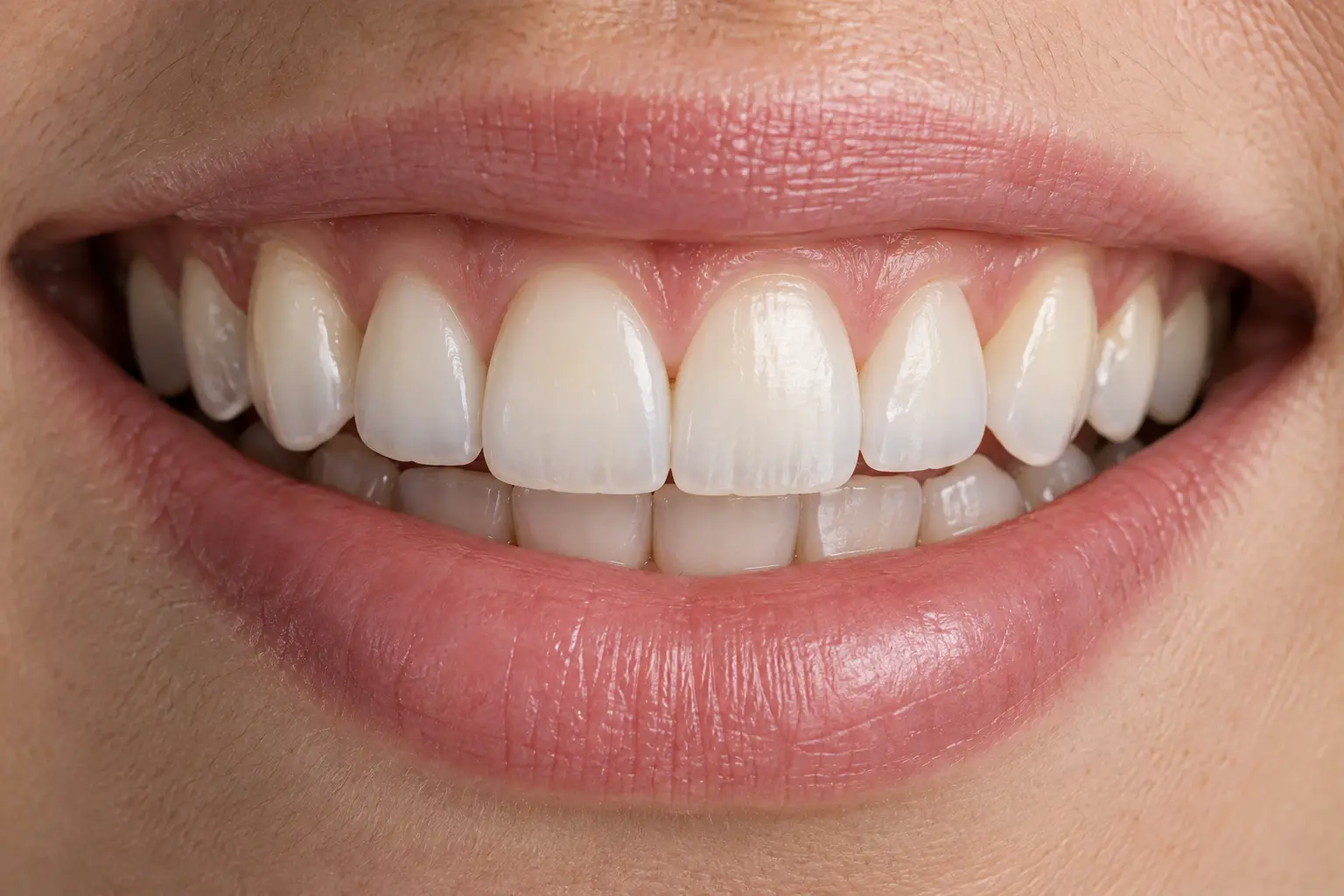
Veneers are thin coverings bonded to the front of teeth to change their colour, shape or size. We plan the extent of the change individually and explain what can reasonably be achieved.
They are not simply new teeth placed over your own: veneers are designed to blend with the tooth and the rest of your smile.
Before you decide
Explore ceramic and composite options, the proposed smile design and the preparation each tooth may need. Read about tooth preparation for veneers, meet Dr Kevin Chrabieh and view our aligner and veneer case. Every treatment plan and expected result is individual.
Enamel removal is irreversible; veneers may need repair or replacement. Patient information: ADA MouthHealthy.
When might veneers be suitable?
Veneers may be considered for:
- Stained teeth that do not respond to whitening
- Broken, chipped or worn teeth
- Gaps between teeth
- Small or irregularly shaped teeth
- Minor irregularities in alignment, after assessing whether orthodontics would be more appropriate
- Teeth with internal dark or yellow discolouration
Before accepting a veneer estimate, check the material, number of teeth and whether design, temporary veneers, placement and reviews are included. Ask for any preparatory treatment and later maintenance to be itemised separately.
If any of these situations applies to you and you are considering veneers, an initial consultation can help establish whether they are appropriate for your case.
The treatment process, step by step
Initial consultation and smile assessment
We examine your teeth and gums and listen to what you would like to change. We explain the options, discuss realistic expectations and answer your questions before you decide. We explain why veneers may be suitable, or why another approach may be preferable.
No obligation01- 02
Digital smile design
Before preparing the teeth, we plan the proposed veneers. Digital tools help you see an approximate design in advance and discuss it with us. We adjust the proposed colour, shape and size to your face and preferences. The design is reviewed and approved before the restorations are made.
Review the proposed design before treatment Tooth preparation tailored to the case
The need for preparation and its extent depend on each tooth's position, colour, volume and remaining tissue. Preparation is planned individually with the aim of preserving as much healthy tissue as possible. Removing enamel is irreversible. The need for anaesthetic depends on the preparation and sensitivity. For composite veneers, preparation may be minimal or unnecessary, depending on the tooth's position, the material and the treatment goal.
Individual preparation plan03- 04
Digital records and temporary veneers
We take a digital scan and send it to the laboratory to make the final veneers. Temporary veneers may be placed while they are being made, according to the preparation and clinical needs. This laboratory stage applies to ceramic veneers.
For ceramic veneers Fitting the final veneers
When the laboratory delivers the veneers, we try them on your teeth before bonding them. We check the colour, fit and bite before completing the bonding and polishing. Composite veneers are shaped directly on the tooth in layers to achieve the planned form and colour; the number of appointments depends on the case.
Visits are planned individually05- 06
Final review and adjustment
After placement, we arrange a review to check the bite, gum response and the result against the agreed plan. We assess any adjustments that may be needed.
Part of the treatment plan Long-term care
Veneers need daily brushing with fluoride toothpaste, cleaning between the teeth and regular reviews. Composite veneers may need periodic polishing. If you grind your teeth, we assess whether a night guard is appropriate. Veneers may need repair or replacement over time; their lifespan cannot be guaranteed.
Maintenance and regular reviews07
Frequently asked questions about veneers
Are veneers painful?
Treatment is usually well tolerated. Anaesthetic may not be needed when preparation is minimal or unnecessary, but this depends on sensitivity, the material and the preparation required.
Will people notice that I have veneers?
The aim is to blend them with your other teeth. Colour, size, shape and texture are planned around your smile and neighbouring teeth. We discuss the appearance you prefer without promising a particular result.
How should I care for them?
Brush with fluoride toothpaste and clean between the teeth daily, as you would for natural teeth. If you grind your teeth, we assess whether a night guard is suitable to protect your teeth and restorations. Regular reviews help identify wear or other problems.
Do veneers involve the back teeth?
Veneers cover the front surface of selected teeth. We also assess the bite and the rest of the mouth before planning treatment; any additional treatment is discussed separately when indicated.
At what age can veneers be considered?
Veneers are generally considered for adults after dental development is complete. Treatment in younger patients requires an individual assessment and is considered only in specific circumstances.
Can I have veneers if I have fillings?
It depends on the location and size of the filling and the remaining tooth structure. Existing fillings may influence the technique and suitability. We assess this individually during the initial consultation.