If you are considering clear aligners and your first question is how long you will need to wear them, you are in the right place. The short answer is that it depends on your case. The useful answer follows below.
What exactly is clear aligner treatment?
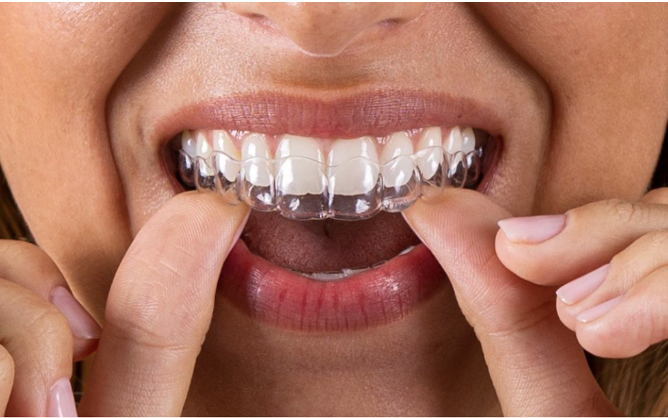
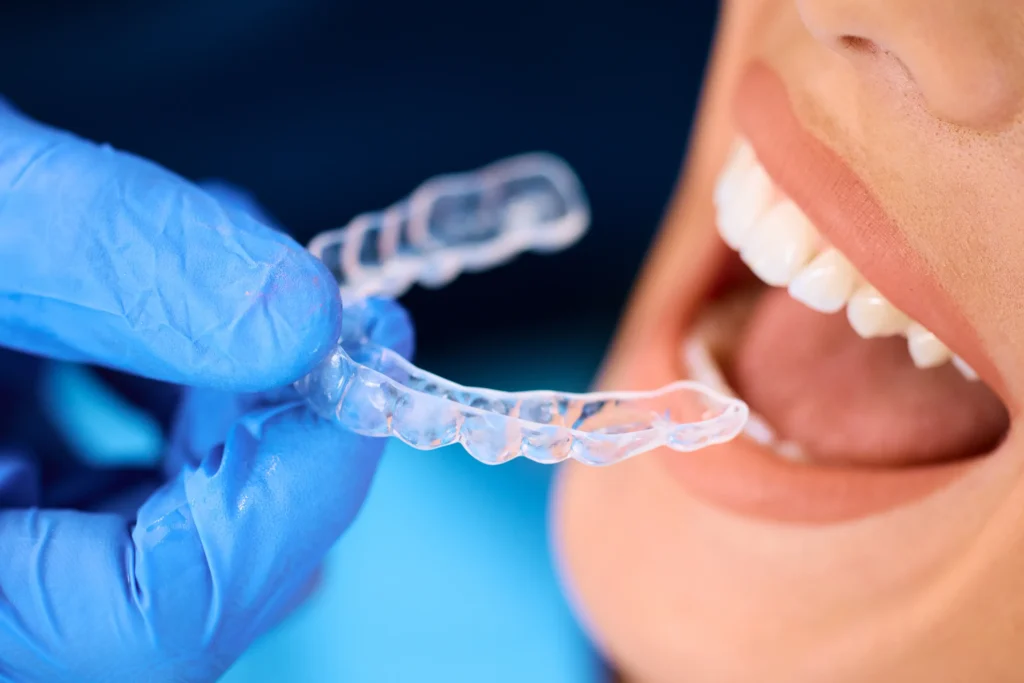
Clear aligner treatment uses a series of transparent trays made to fit your mouth from a digital scan. Each tray applies gentle, controlled pressure to move the teeth gradually towards their planned positions. They are changed every one or two weeks, and the combined small movements produce the intended alignment.
Unlike fixed braces, the trays are discreet and can be removed for eating and cleaning the teeth. Comfort varies from person to person.
How long does clear aligner treatment take in practice?
There is no universal duration because every mouth is different. The following ranges provide a general indication according to complexity:
Mild cases, such as minor crowding, small gaps or slight rotations: 4 to 8 months
Moderate cases, such as more noticeable crowding, rotations or expansion of the dental arch: 8 to 14 months
Complex cases, such as extensive bite corrections or complex tooth movements: 14 to 24 months, sometimes longer
These timeframes are only indicative. A clinical examination, bite assessment and diagnostic tests allow an individual estimate, which may be adjusted during follow-up according to the response to treatment.
What factors make treatment shorter or longer?
1. The starting complexity
More extensive problems, such as severe crowding, crossbite or significantly rotated teeth, generally require more aligners and more time. Correcting minor crowding at the front is different from repositioning a whole arch while also adjusting the bite.
2. How many hours you wear the aligner each day
Adherence is essential. Aligners generally need to be worn for 20 to 22 hours a day for tooth movement to follow the plan. Removing them more than recommended, whether for comfort, through forgetfulness or for social events, can extend treatment by weeks or even months.
3. The patient’s age
Age alone cannot predict duration. In adolescents and adults, the type of movement, growth stage, periodontal health, biological response and adherence all matter. The timeline is therefore estimated individually.
4. Existing oral health
Inflamed gums, untreated decay or periodontal problems need attention before aligner treatment begins. Gum health directly affects the stability of tooth movement.
5. The refinement phase
After the first aligner sequence, a new scan and additional trays may be needed to complete remaining movements. Refinement does not mean treatment has failed; its duration depends on what remains to be corrected and cannot be fixed in advance.
Treatment stages: what happens from start to finish?
Understanding the structure of treatment helps build realistic expectations about the full process:
1. Initial assessment A digital scan of the mouth is taken. The orthodontist assesses the teeth, jaws and bite to design the treatment plan.
2. Digital planning Computer-assisted design produces a simulation of the planned movements. It is a planning and communication tool, not an exact guarantee of the final result.
3. Making and delivering the aligners A custom sequence of trays is produced. The orthodontist may bond small composite shapes, called attachments, to selected teeth to help achieve specific movements. They can be visible close up.
4. Regular follow-up Reviews are usually scheduled approximately every 6–10 weeks. At these visits, the orthodontist checks whether the teeth are following the plan and provides the next trays.
5. Refinement, if needed If small adjustments remain after the planned sequence, a new scan is taken and additional trays are made.
6. Retention After active treatment, retainers help stabilise the teeth in their new positions. Removable clear retainers are discreet and are often worn at night according to the prescribed schedule. Long-term, often indefinite retention is commonly recommended to reduce the risk of the teeth moving back.
Can treatment time be shortened?
There are no real shortcuts, but certain habits help keep treatment on track while others delay it:
What helps:
- Wearing the aligners for the prescribed hours
- Changing to the next aligner on the instructed date
- Attending scheduled reviews
- Maintaining good oral hygiene and healthy gums
What may make it take longer:
- Removing aligners more often than recommended
- Losing or breaking an aligner without informing the orthodontist
- Missing reviews
- Starting with unresolved oral health problems
What happens after treatment?
The end of active treatment is not the end of care. Teeth can gradually move back towards their original positions if they are not stabilised appropriately.
Retention is therefore as important as active treatment. Retainers reduce the risk of renewed tooth movement. At CHC Clínica Dental, we explain which type is indicated, how to use it and when it needs review.
How long does treatment take in children and teenagers?
In children and teenagers, duration depends on the teeth present, growth, treatment objectives and cooperation. Some treatments guide development and others align the permanent teeth, so there is no single timeframe for everyone.
Aligners can be used in selected younger patients when the diagnosis and developmental stage allow. The orthodontist decides after assessing the bite, tooth eruption and ability to follow the prescribed wear schedule.
Frequently asked questions about treatment duration
How long do mild cases take? Some straightforward cases take less time, but “mild” cannot be judged only by the appearance of the front teeth. The bite, roots and required movements determine the estimate.
Are aligners faster than braces? A treatment should not be chosen on the assumption that it is always faster. The useful comparison concerns your specific problem: what each option can achieve, its limitations and the follow-up required.
What happens if I do not wear my aligners for the recommended hours? The plan is delayed. Each tray is designed for a particular movement over a particular period. Insufficient wear may leave that movement incomplete, preventing progression to the next tray as planned.
When will I start seeing changes? Some movements become noticeable early, while others take longer. Straighter-looking teeth do not necessarily mean the bite has been corrected or that treatment can end.
Does treatment hurt? Changing aligners may cause temporary pressure or sensitivity. The intensity and duration vary. Contact the clinic if pain is severe or persistent, or if the aligner injures the soft tissues.
Would you like an estimate for your treatment?
At CHC Clínica Dental, we can assess your situation and explain the expected stages. The aim is for you to understand the treatment pathway and the factors that may alter it.
Request an assessment to discuss the options, expected stages and an individual estimate.