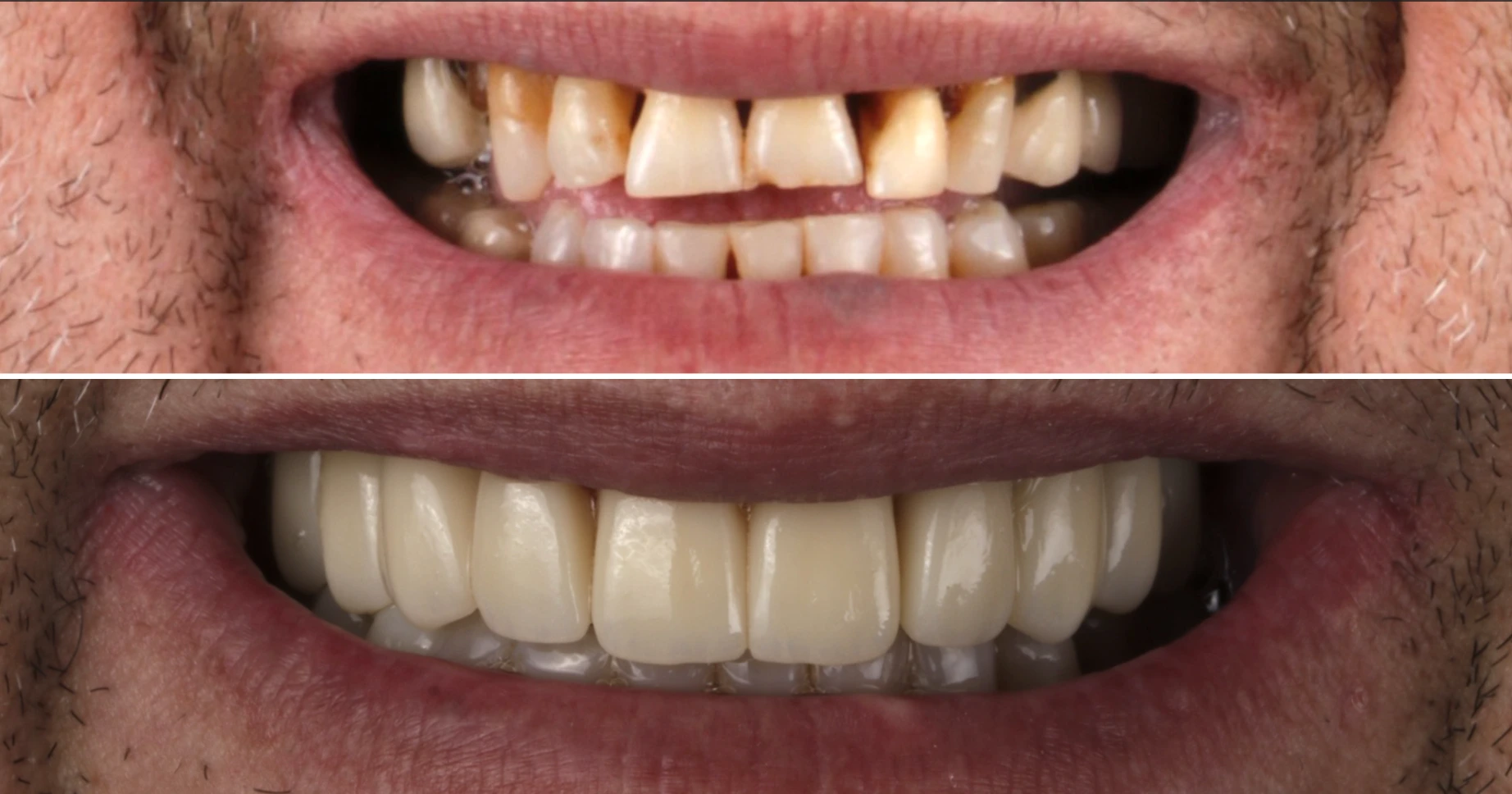
Broken, missing or badly worn teeth can make eating and smiling difficult. Full-mouth rehabilitation brings the necessary treatments into one coordinated plan. It does not automatically mean crowning every tooth or removing all the teeth for implants.
Start with what can be saved
Each tooth needs an assessment of decay, cracks, gum support, existing restorations and long-term outlook. Fillings, onlays, crowns, root canal treatment, gum treatment or orthodontics may help preserve useful teeth. Implants, bridges or dentures can replace teeth that are missing or cannot predictably be retained.
For a young adult, including someone aged 26 with extensive damage, the lifetime consequences matter. Extracting a restorable tooth is irreversible. A second opinion can be valuable before a plan involving many extractions or extensive preparation.
A permanent solution still needs maintenance
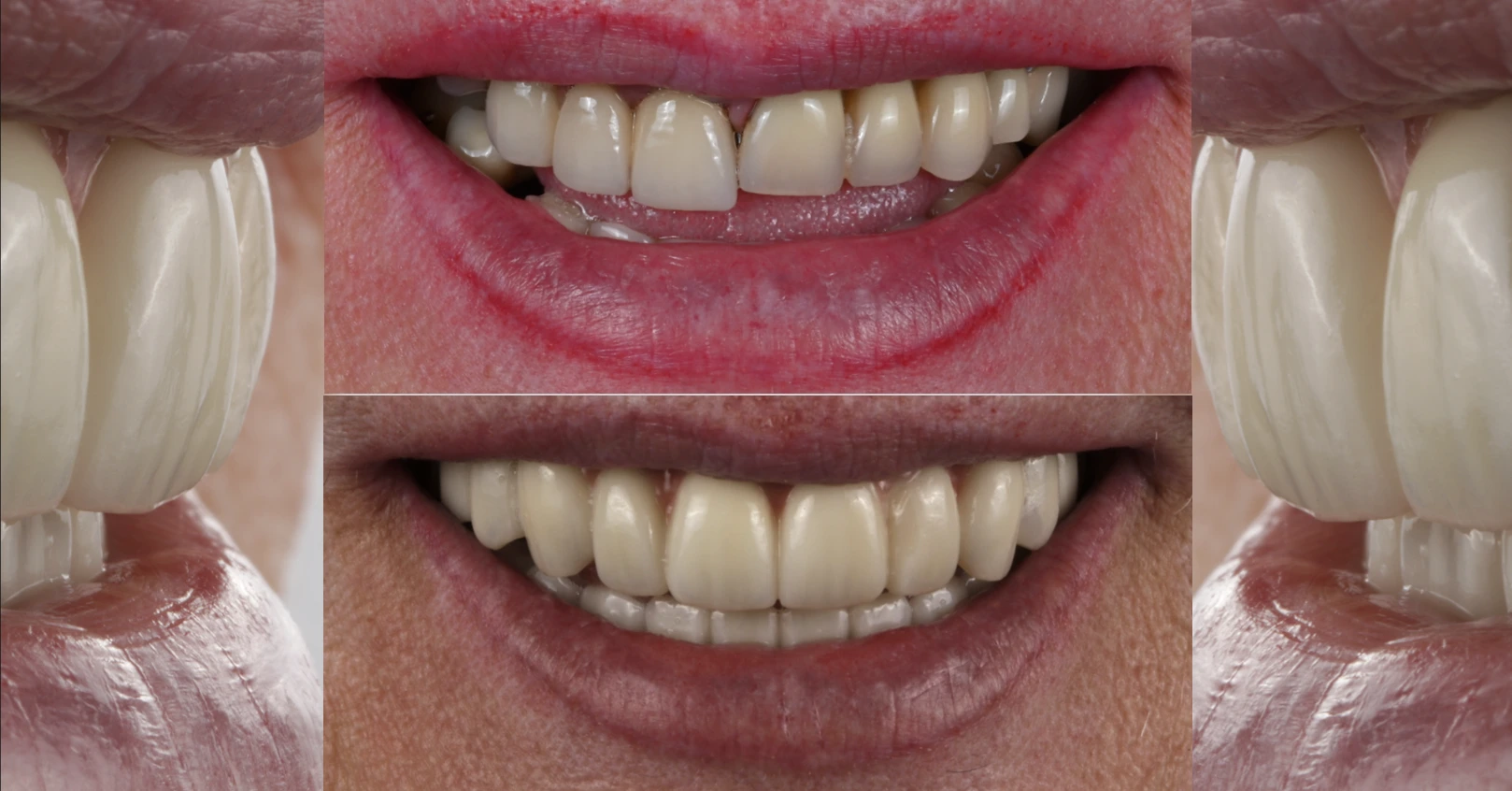
Patients often ask for a permanent fix. Fixed restorations can feel more stable than a removable denture, but “fixed” does not mean lifelong without repairs. Natural teeth can develop decay or gum problems; crowns and bridges can chip or lose retention. Implants can develop inflammation, bone loss or component problems.
Comfort, appearance and chewing function are valid goals. A realistic plan also explains likely maintenance and what happens if one part fails.
Cost with and without implants
The total depends on the number and condition of teeth, preliminary treatment, materials, provisional restorations, implants or grafts, laboratory work and reviews. A plan without implants is not necessarily cheaper or simpler if many teeth need complex care.
Ask for staged options and a tooth-by-tooth explanation. Addressing infection and pain first may allow later phases to be organised, but postponement should follow a clinical plan. The least expensive immediate solution is not always the most economical over time.
Choosing a coordinating clinician
Complex rehabilitation benefits from a dentist experienced in restorative planning, working with clinicians skilled in gum care, root canal treatment, orthodontics and implant surgery when needed. Ask who coordinates the case, who performs each procedure and who handles complications. Professional registration and demonstrated experience matter more than a marketing title.
At CHC Clínica Dental Barcelona, request an assessment that explains which teeth can be preserved, which need replacement and why. The right rehabilitation is the one justified by your diagnosis and priorities, with enough detail to make an informed decision.
Explore our information about full-mouth rehabilitation in Barcelona.


