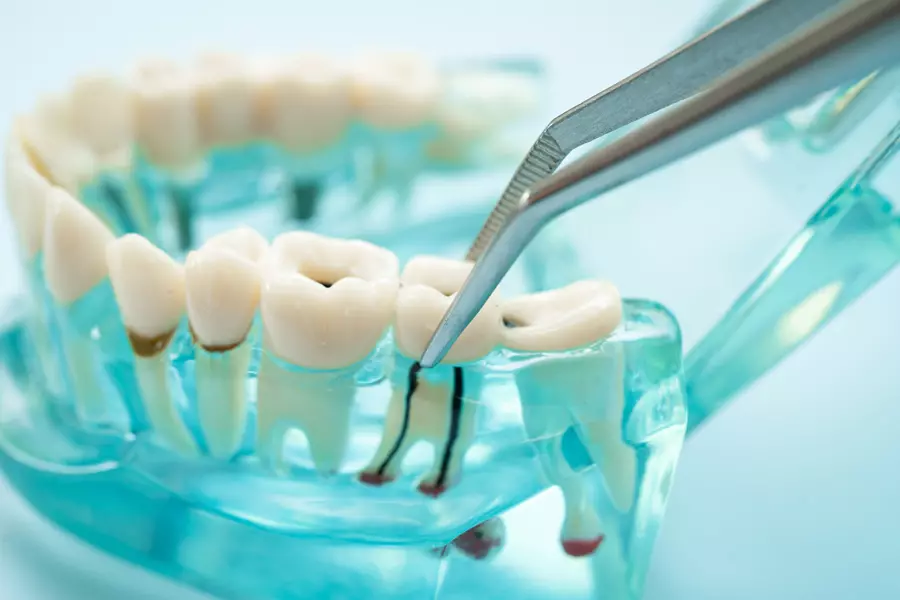
An implant that feels loose, hurts or looks different from the neighbouring teeth needs a diagnosis before anyone promises a repair. The implant, connecting screw, crown, gum and surrounding bone can each be responsible for a different problem.
A loose crown is different from a loose implant
Movement may come from a loose screw or crown rather than the implant itself. A clinician may be able to repair or replace the affected component. Movement of the implant within the bone is more concerning and needs prompt assessment. Avoid chewing on the area, and do not try to tighten or glue anything yourself.
Pain after fitting an implant crown can have several causes, including an uneven bite, inflammation or a problem with a component. Persistent or increasing pain should not be dismissed as normal adaptation. The dentist may examine the bite, tissues and X-rays before choosing treatment.
An implant that looks uneven or unnatural
A front implant may look too long, bulky or different in colour. The cause might be the crown, gum contour, implant position or bone support. Changing the crown can help in some cases, but it cannot correct every underlying problem. Ask what can realistically improve and whether treatment would involve the restoration, gum or implant.
Repair, grafting or removal
Inflammation around an implant can progress to peri-implantitis, a disease involving loss of supporting bone. Treatment depends on the extent and cause. Bone grafting months after implant placement is sometimes considered, but adding bone is not a universal solution and cannot reliably rescue every implant.
A failed implant may need removal. Replacement can sometimes be considered after the cause has been addressed and the tissues have healed; infection, bone loss and grafting can change the timing. There is no safe universal waiting period or automatic guarantee of success.
Getting timely help
Contact a dentist promptly for movement, discharge, swelling or worsening pain. Facial swelling with difficulty swallowing or breathing requires emergency care. Bring previous X-rays and the implant brand or implant passport if available.
For an assessment at CHC Clínica Dental Barcelona, describe when the symptoms began and whether the movement seems to involve the tooth on top or the implant beneath it. That information helps plan the examination; it cannot replace one.
Explore our information about dental implants in Barcelona.
Sources and further reading
https://canalsalut.gencat.cat/ca/salut-a-z/p/periimplantitis/
https://www.guysandstthomas.nhs.uk/health-information/dental-implants


