If you have periodontitis and have been told you need orthodontic treatment—or have wanted it for some time but worry that your gums may be a problem—this article is for you.
Having periodontitis does not mean you must give up on straightening your teeth. However, the disease must be treated and controlled, and the plan must coordinate periodontal health with orthodontic tooth movement.
First, what is periodontitis and why does it matter before orthodontic treatment?
Periodontitis, sometimes referred to as pyorrhoea, is a gum infection that, if left untreated, progressively destroys the tissues supporting the teeth: the gums, periodontal ligament, root cementum and alveolar bone. In other words, the structures that support everything.
When these structures are damaged, teeth lose support. In advanced stages they become loose and may eventually be lost.
Periodontitis does not develop overnight. It generally starts with gingivitis: inflamed gums that bleed when brushing, sometimes with bad breath and swelling. If not treated in time, it can progress to periodontitis, where destruction also affects the bone.
The key difference is that gingivitis is reversible. Periodontitis is not fully reversible—lost bone does not regrow spontaneously—but appropriate treatment can stop and stabilise the disease.

Can you have orthodontic treatment if you have periodontitis?
It may be possible once periodontitis has been treated and remains stable. The decision is not based on the diagnostic label alone: the support of each tooth, inflammation, periodontal pockets, mobility, oral hygiene and prognosis must all be assessed.
Moving teeth while inflammation is active can increase the risk of losing support. Periodontal control is therefore a prerequisite and must be checked throughout treatment.
When the disease is stable, orthodontic treatment can be planned with adapted forces and goals. This does not make the procedure “completely safe” or remove the need for follow-up; it allows benefits and risks to be assessed individually.
What needs to happen before orthodontic treatment begins?
If you have periodontitis and want orthodontic treatment, the process follows a specific sequence that cannot be skipped:
1. Periodontal treatment first
Before fitting any appliance, the infection must be treated. This involves scaling and root planing: a procedure in which the periodontist removes calculus and bacteria accumulated below the gumline, inside the periodontal pockets where infection has developed.
Depending on the severity of the case, periodontal surgery may also be needed to reach deeper areas or regenerate lost bone tissue.
2. Confirming that the disease is controlled
After periodontal treatment, effective disease control must be confirmed before the next step. This is checked clinically: the periodontist assesses whether pocket depths have decreased, whether signs of active inflammation are absent and whether the bone is stable.
This is not a formality. It is a real condition. If periodontitis remains active, orthodontic treatment cannot begin.
3. Starting orthodontic treatment
With periodontal disease controlled and a prognosis compatible with the planned movements, the team can consider starting orthodontic treatment and explain the particular risks involved.
4. Periodontal maintenance during treatment
The work does not end when orthodontic treatment begins. Periodontal maintenance must continue throughout treatment. Review frequency is tailored to risk, plaque control, bleeding, pockets and tissue response; there is no single interval for everyone.
Which type of orthodontic treatment is best after periodontitis?
No system is universally better. Braces and aligners can both be used in selected periodontal patients; the choice depends on the movements required, oral hygiene control, patient cooperation and access for maintenance.
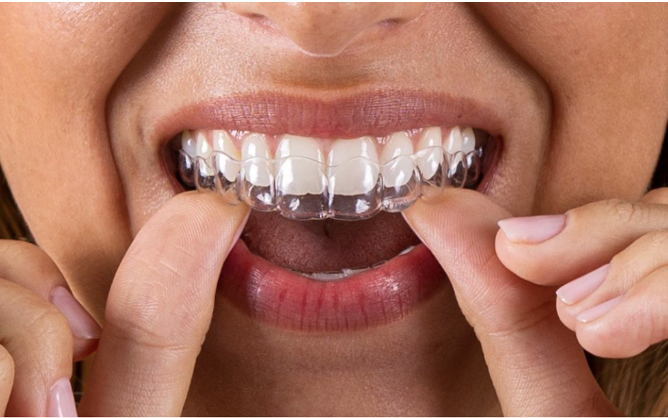
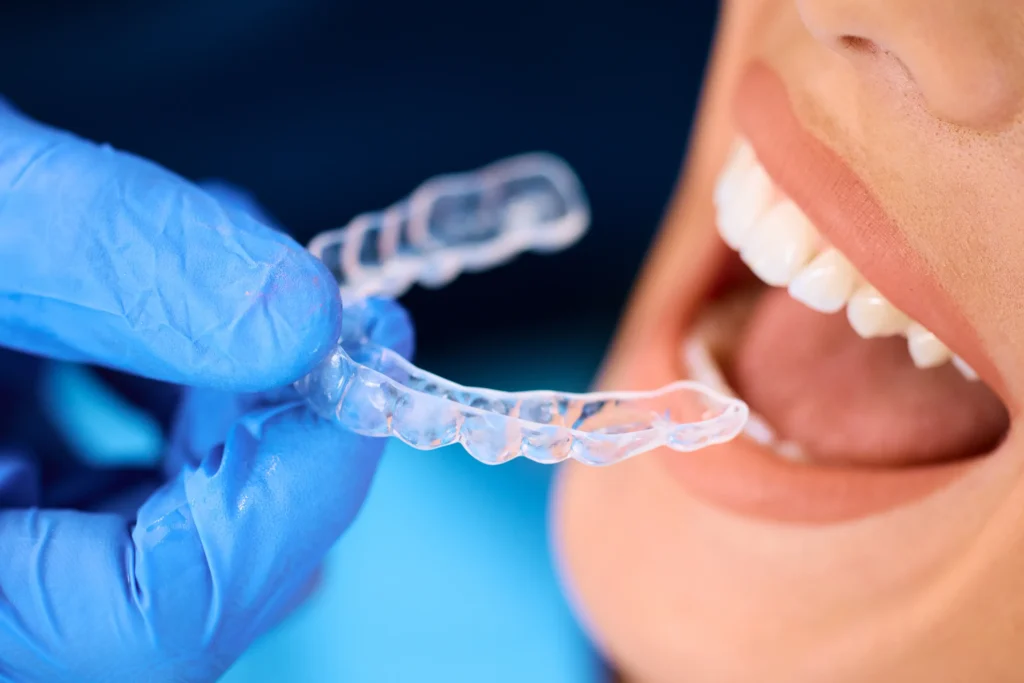
Removable aligners make brushing and interdental cleaning easier because they are taken out for hygiene. However, they are not automatically “gentler” or suitable for every movement. The magnitude and direction of forces are planned individually.
At CHC Clínica Dental, we use Angel Aligners when the diagnosis indicates that aligners are an appropriate option. The brand does not replace coordination between periodontics and orthodontics or clinical follow-up.
Does straightening teeth prevent periodontitis from returning?
Not on its own. Correcting certain tooth positions may make brushing and interdental cleaning easier, but orthodontics does not cure periodontitis or replace periodontal maintenance.
The risk of relapse is managed with daily hygiene, individualised reviews, treatment of inflammation and control of factors such as smoking or diabetes. The bite is also assessed, but better alignment does not guarantee that the disease will not become active again.
What if I have already lost bone?
Loss of support does not automatically rule out orthodontic treatment, but it requires a more detailed assessment of each tooth. The amount and distribution of remaining bone, mobility, inflammation, hygiene, root position and the aim of movement all matter.
In some cases, additional periodontal treatment may be considered before or during orthodontics; in others, certain movements are not advisable. Regenerative techniques are neither possible nor necessary in every area.
The plan should prioritise preserving teeth with a reasonable prognosis and clearly explain its limitations.
What signs suggest you may have periodontitis without knowing it?
Periodontitis is very common, and many people have it without realising because early stages can be almost symptom-free. Warning signs include:
- Gums that bleed when brushing or flossing
- Swollen, red or receding gums, making the teeth appear longer
- Persistent bad breath that does not go away with brushing
- Increased tooth sensitivity, particularly to cold
- A feeling that a tooth is loose or has changed position
- Pus between the teeth and gums
If you recognise any of these symptoms, the first step is a periodontal assessment before considering orthodontic treatment.
Frequently asked questions
How long should I wait after periodontal treatment? There is no universal timeframe. Treatment begins when reassessment confirms sufficient control and the team considers that the tissues can tolerate the planned movements.
Can orthodontic treatment make periodontitis worse? Moving teeth during active inflammation can increase risk. With stable disease, risk is assessed and managed through planning, hygiene and follow-up; a complete absence of complications should not be promised.
Do the periodontist and orthodontist need to coordinate? This is particularly important when there is loss of support, mobility or a history of advanced disease. Both professionals agree on goals, limits and review arrangements.
Can I use aligners if my teeth are loose? It depends on the cause and degree of mobility, remaining support and disease control. A periodontal and orthodontic examination is needed to answer this.
Do you have periodontitis and want to explore orthodontic treatment?
At CHC Clínica Dental, we can assess your gums, tooth support and bite to explain which options are reasonable and which steps need to come first.
Request an assessment for a coordinated plan adapted to your situation.