
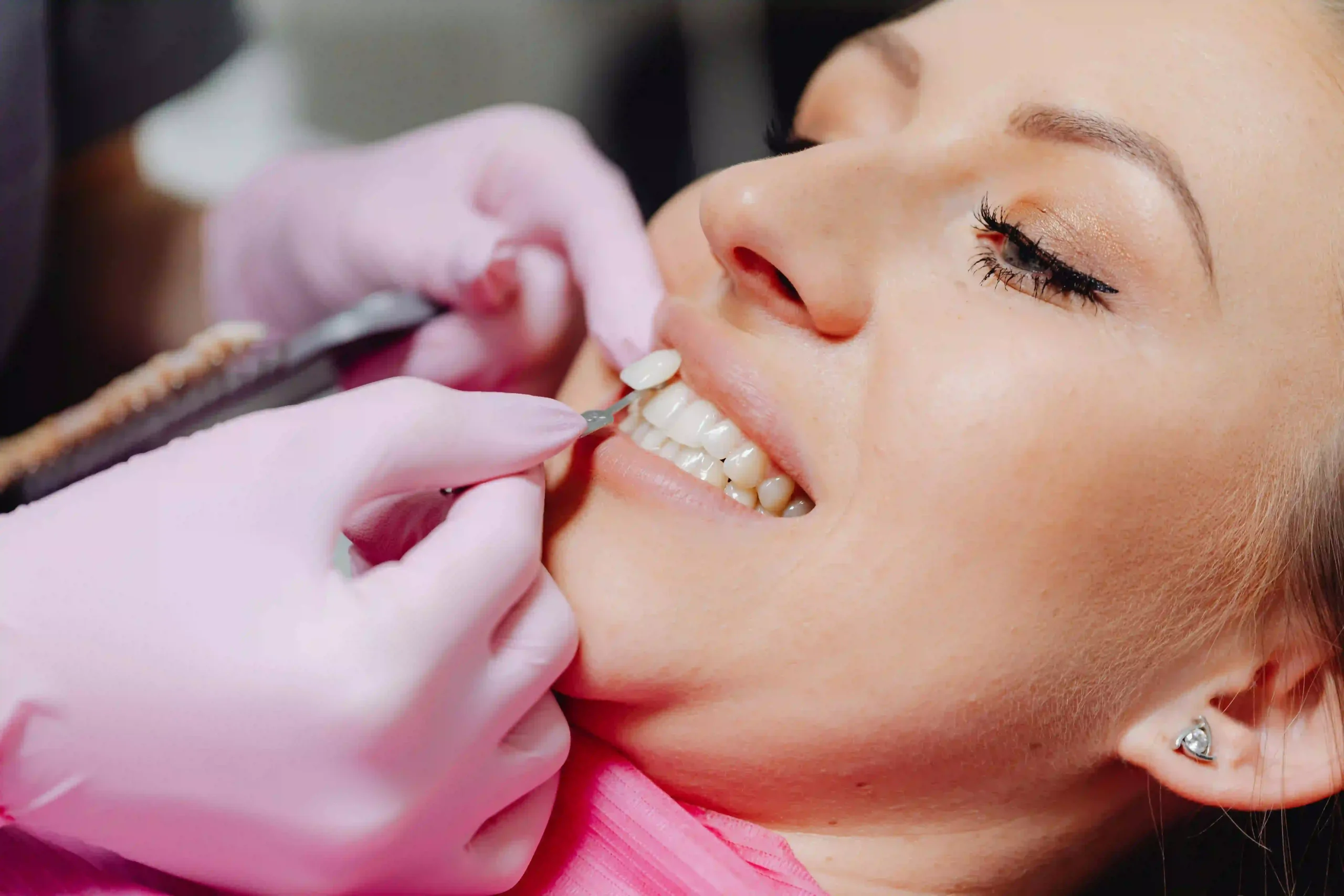
Veneers become part of daily life: eating, smiling and cleaning your teeth. Their future depends on the tooth underneath, the fit, the bite and ongoing care. An attractive result should also feel comfortable and be easy to keep clean.
How long veneers last
There is no expiry date that applies to everyone. Ceramic veneers often remain serviceable for many years; composite usually needs more polishing or repair. Neither should be replaced simply because a particular birthday has passed. Examination, photographs and appropriate radiographs help assess margins, cracks and the underlying tooth. A sound veneer may be left alone, while a recent one with decay or poor fit may need attention.
Daily care that protects your investment
Brush twice daily with fluoride toothpaste and clean between the teeth using the method recommended for your mouth. Avoid biting nails, opening packaging with your teeth and testing restorations on very hard objects. If grinding is present, use a prescribed protective appliance and have its fit checked. Professional reviews allow small problems to be found before they become larger ones.
A veneer that falls off or feels loose
Keep a detached veneer in a clean container and contact the dentist. Do not use household glue. Rebonding may be possible if both veneer and tooth are sound, but the reason for detachment matters: bite overload, damage, contamination or decay can change the plan. Simply sticking it back on does not guarantee another fixed number of years.
Bulky teeth, visible edges and an unwanted colour
No-preparation veneers can feel too thick if the original teeth did not have enough space. A margin that repeatedly traps food, catches floss or irritates the gum deserves assessment. Small contour adjustments may help some cases; larger changes can compromise the ceramic and require replacement. Do not file veneers yourself.
Whitening changes natural tooth colour, not the colour of ceramic. Surface stains, the shade of the tooth underneath and the ceramic itself need to be distinguished before deciding whether polishing, another treatment or replacement is appropriate.
Replacing veneers and checking your retainer
Switching from porcelain to composite is sometimes possible, but it does not reverse earlier enamel removal. The remaining tooth determines the options. After any replacement, the bite and retainer fit must be checked. Even a small shape change may mean a new retainer is needed; forcing the old one can damage the restoration or move teeth.
If your veneers no longer look or feel right, arrange a review at CHC Clínica Dental Barcelona before choosing a repair or a complete replacement.
Explore our information about dental veneers in Barcelona.
Sources and further reading
https://www.mouthhealthy.org/all-topics-a-z/veneers


